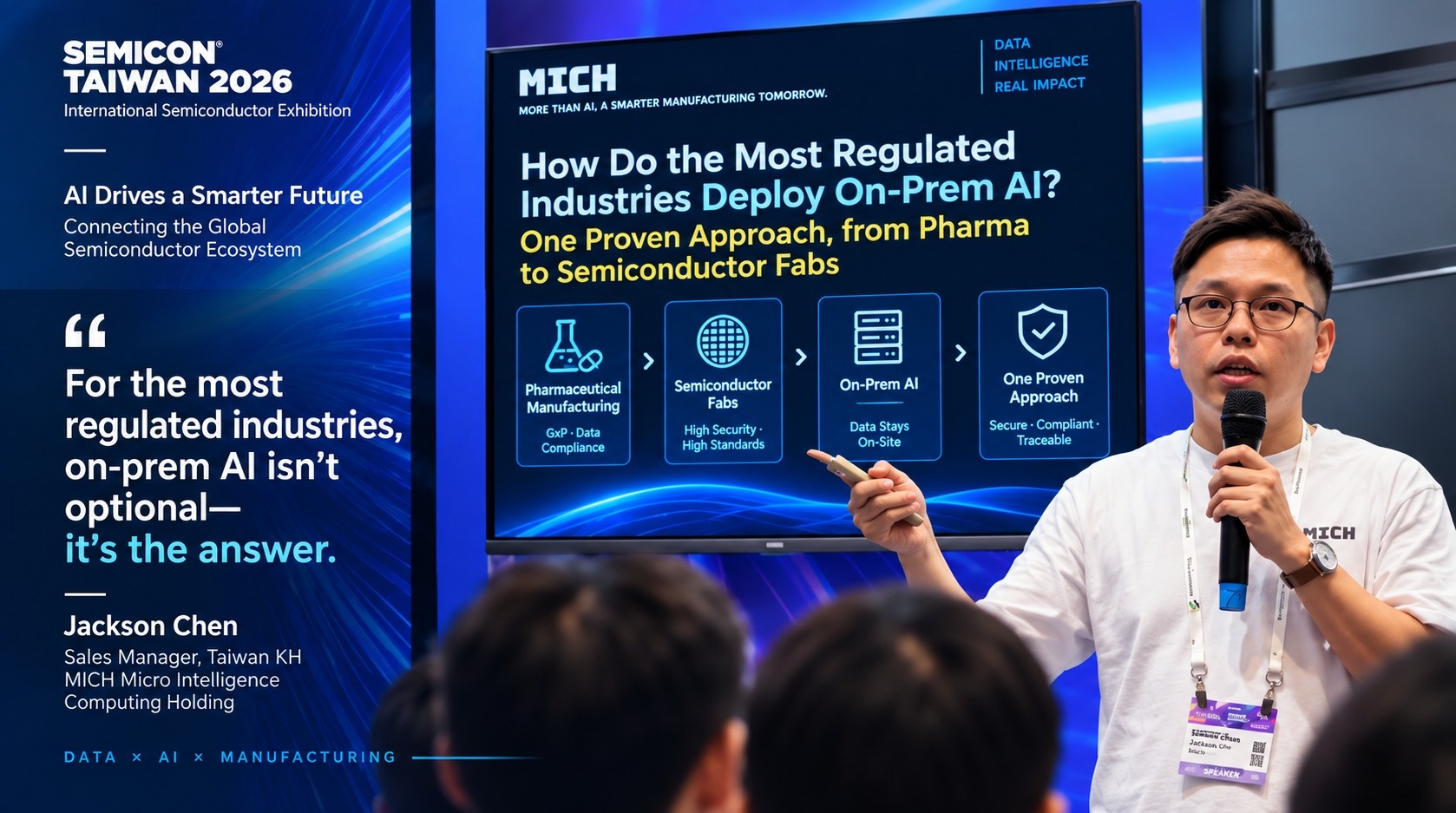
Model performance and computing power remain important. But data sovereignty, verifiability, access governance, and end-to-end traceability are increasingly determining whether AI can be trusted within core enterprise workflows.
Pharmaceutical companies and semiconductor fabs may appear to operate in entirely different worlds. Yet when it comes to AI governance, they are confronting many of the same fundamental challenges.
Pharma Is One of the Toughest Stress Tests for Enterprise AI Governance
If there is one industry capable of stress-testing an enterprise AI governance architecture, pharmaceuticals would be among the most demanding.
Bringing a new drug from discovery through clinical trials and ultimately to market can take 10 to 15 years. The process involves multiple stages of validation, while development costs can reach billions of dollars.
This means that discovering a wrong direction too late does not simply waste computing resources. It can cost years of R&D time and enormous amounts of capital.
That is why the real value of AI in pharmaceuticals is not about replacing scientists or eliminating experimentation. Instead, AI can move certain decisions earlier in the R&D process, helping researchers narrow the search space sooner.
AI Does Not Eliminate Validation — It Helps Eliminate the Wrong Paths Earlier
From protein structure prediction and candidate molecule generation to simulations of molecular interactions with biological targets, AI can help research teams screen enormous candidate spaces before scientists determine which paths should proceed to further experimentation.
This changes one important part of the R&D process:
Computation can be dramatically accelerated, but validation cannot disappear.
The Francis Crick Institute’s TRACERx EVO cancer research project provides a useful example. The research team used NVIDIA Parabricks to accelerate genomic data processing. According to the published case study, the project accumulated nearly nine years of estimated processing-time savings compared with its existing HPC service, while maintaining consistency across comparative quality metrics.
For highly regulated industries, the most important takeaway is not simply how much faster the workload became.
Speed and confidence in the results must improve together.
This is one of the fundamental differences between enterprise AI and consumer AI.
Once AI begins influencing R&D, production, quality, or operational decisions, enterprises need more than an answer. They need to understand which data and rules contributed to that answer—and retain the ability to validate and trace the result afterward.
As Models Become More Powerful, “Data Friction” May Become the Real AI Bottleneck
Foundation models and GPU computing capabilities have advanced rapidly in recent years. But inside an enterprise, faster models do not necessarily translate into equally fast AI adoption.
One major reason is data friction.
In pharmaceutical organizations, information may be distributed across Electronic Lab Notebooks (ELN), Laboratory Information Management Systems (LIMS), ERP systems, research literature, patents, and laboratory equipment.
The data exists, but differences in formats, isolated systems, fragmented permissions, and inconsistent semantics make it difficult for AI to use that information effectively.
Manufacturing environments face a similar challenge.
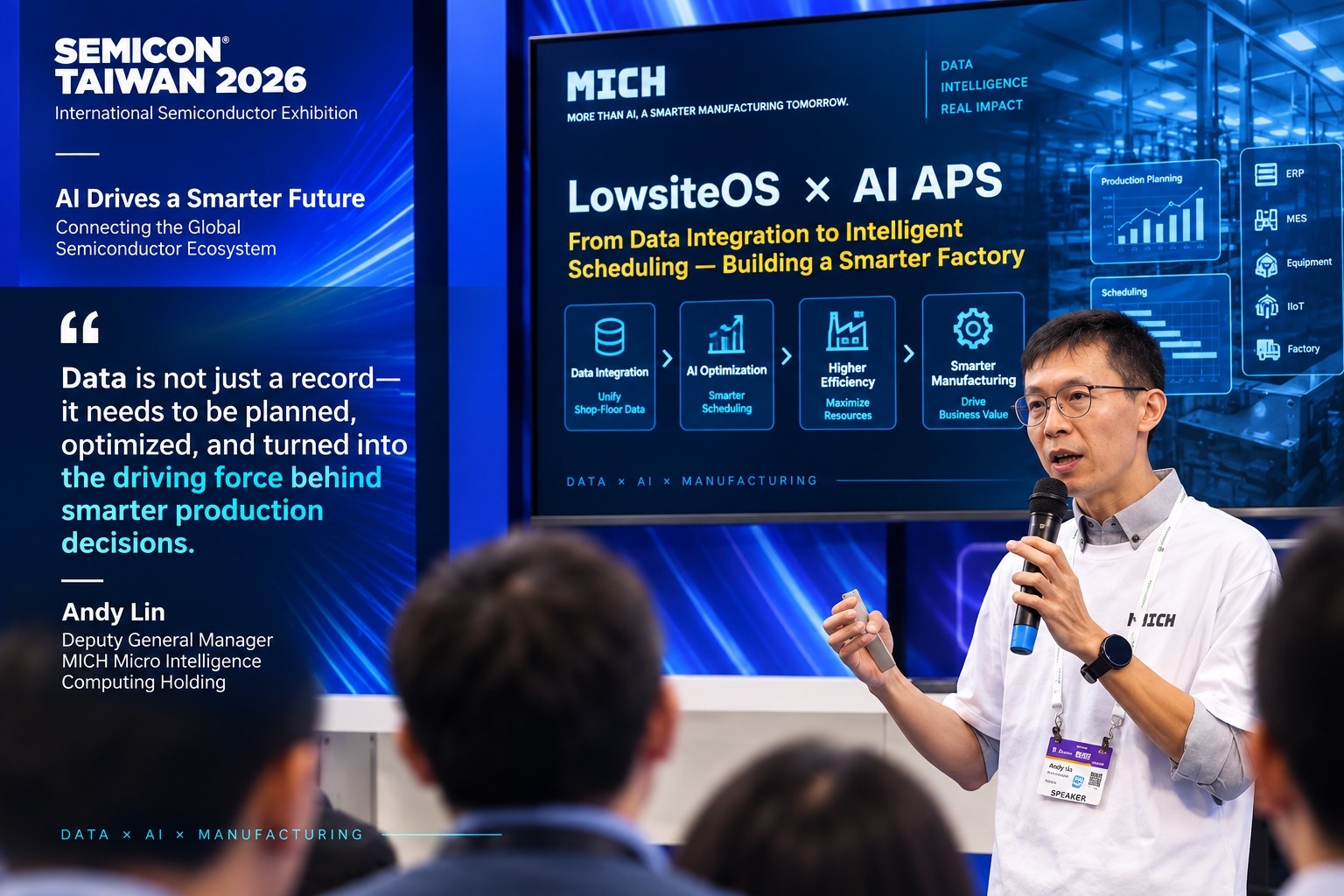
ERP systems contain orders and material information. MES platforms manage production execution. Equipment continuously generates logs and process parameters. Quality systems retain inspection results, while engineering knowledge remains scattered across SOPs, drawings, documentation, and employee experience.
As AI moves deeper into the enterprise, the competitive advantage is therefore shifting away from model capability alone toward a broader question:
Can an enterprise give AI secure, accurate, and continuous access to its own data?
From Drug Formulas to Process Recipes: Two Industries, One Governance Logic
Pharmaceuticals and semiconductors produce completely different products, but from an enterprise AI architecture perspective, they share striking similarities.
A pharmaceutical Drug Formula can be compared with a semiconductor Process Recipe. The R&D and experimental data stored in ELN and LIMS environments has parallels with the production data generated across ERP, MES, and equipment systems.
Likewise, the pharmaceutical industry's established GxP and quality-management requirements have parallels in semiconductor manufacturing, where process governance, access control, quality assurance, and traceability are critical.
Both industries ultimately share the same core requirements:
Sensitive data cannot be allowed to flow freely outside the enterprise. Access must be governed. Critical results must be verifiable. And AI activity must leave sufficient records for auditing and traceability.
The industries may be different, but the underlying logic of AI governance is remarkably similar.
This is where the pharmaceutical industry's experience becomes particularly relevant to semiconductor manufacturing.
Highly sensitive industries do not need to exclude AI. What they need is an architecture that allows AI to operate within their existing security, quality, and governance requirements.
The Last Decade Was About Digitalization
From a market perspective, much of the enterprise and manufacturing investment over the past decade focused on one fundamental objective:
Turning information that previously existed outside digital systems into usable data.
Manufacturers implemented ERP, MES, WMS, and APS platforms. Equipment became connected. Paper-based production reporting gradually became digital.
Pharmaceutical companies similarly adopted ELN, LIMS, and other research information systems, continuously building more comprehensive digital records of their R&D activities.
The defining objective of this period was to create digital footprints for processes, events, and knowledge originating in the physical world.
As a result, enterprises accumulated enormous digital assets and established the data foundation that today's AI systems can build upon.
But by 2026, the market is entering a new phase.
Enterprises are moving from “not enough data” to “large amounts of data that remain underutilized.”
The Next Decade: From Accumulating Data to Making Data AI-Ready
If the previous decade was defined by digitalization, the next decade of enterprise competition is likely to be defined by becoming AI-ready.
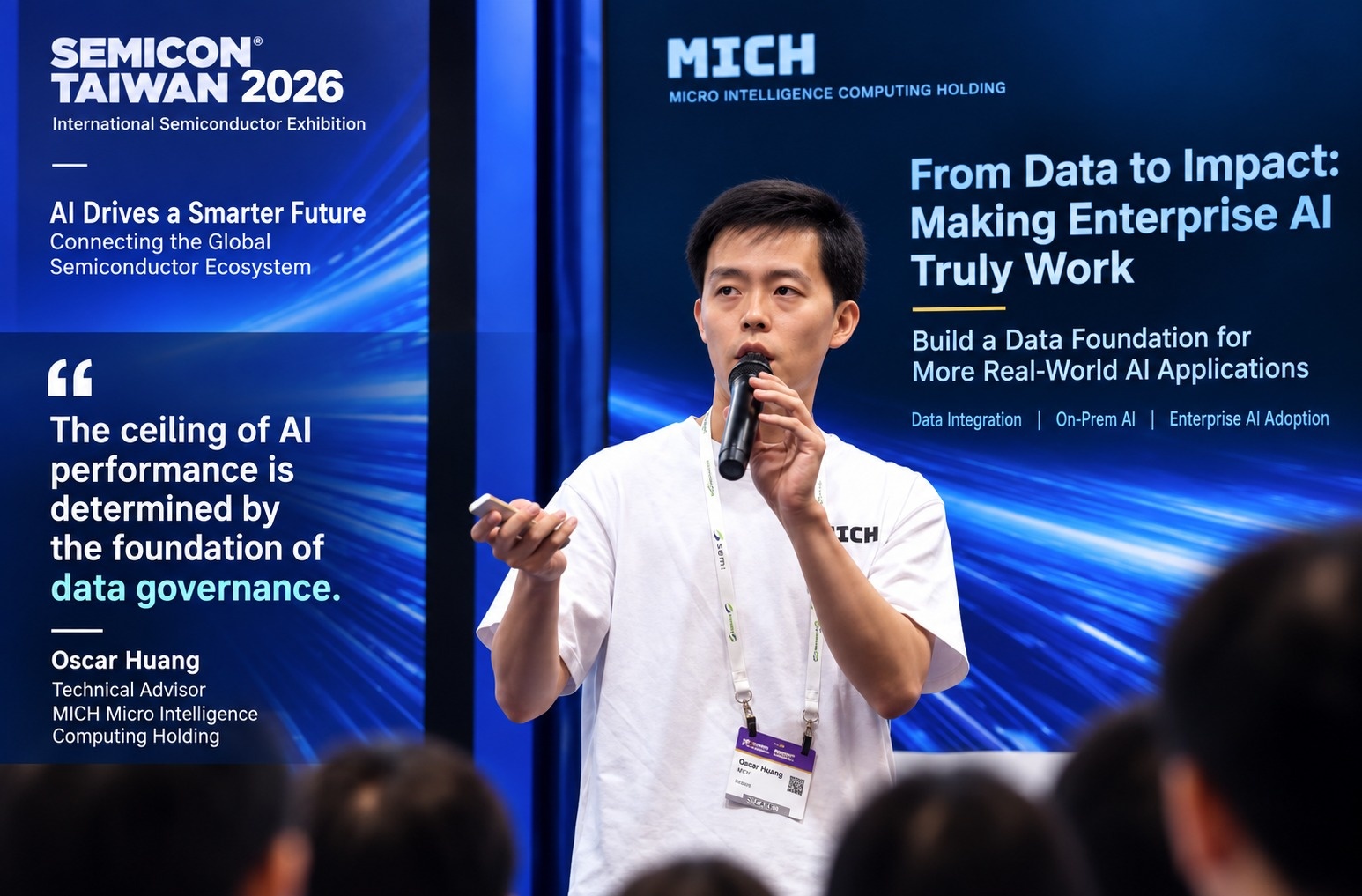
Enterprises no longer need simply to generate more data. They need to make their existing data usable by AI—securely and under clearly defined governance.
AI systems must understand data sources and semantics. Different users and AI agents must operate within established access policies. Organizations need records of which data AI systems have accessed, and AI-generated answers need traceable supporting evidence.
Even when models change in the future, enterprises should not have to rebuild their data and governance foundations from scratch.
These requirements are also changing the role of on-premises AI.
Historically, on-premises AI was often positioned primarily as a security solution—a way to keep sensitive data out of the cloud.
But as AI becomes embedded in core business operations, on-premises AI represents something broader:
Enterprise control over data, models, permissions, and AI behavior.
For pharmaceuticals, semiconductor fabs, and the broader semiconductor supply chain, this capability is increasingly becoming part of the enterprise AI infrastructure rather than simply another deployment option.
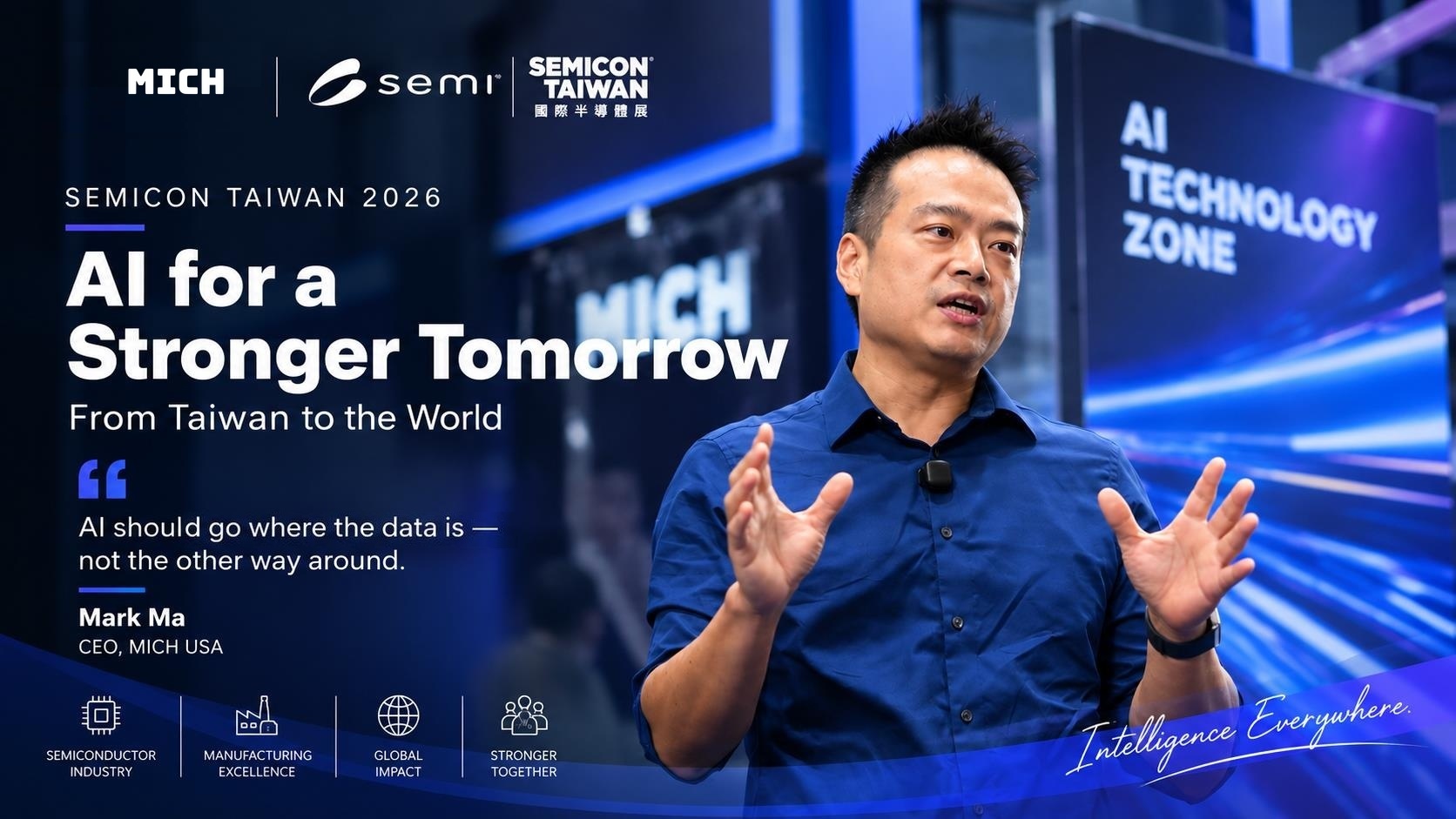
LowsiteOS: Bring AI to the Data, Not Core Enterprise Data to the AI
This is the architectural philosophy behind LowsiteOS.
In a conventional cloud AI architecture, enterprise information is typically transferred to the environment where the model operates.
For highly sensitive industries, a more appropriate approach may be to reverse that relationship:
Bring AI models to enterprise data instead of moving critical enterprise data to external AI environments.
Through on-premises deployment, LowsiteOS connects ERP, MES, equipment, documents, and enterprise knowledge to establish a unified data foundation for AI.
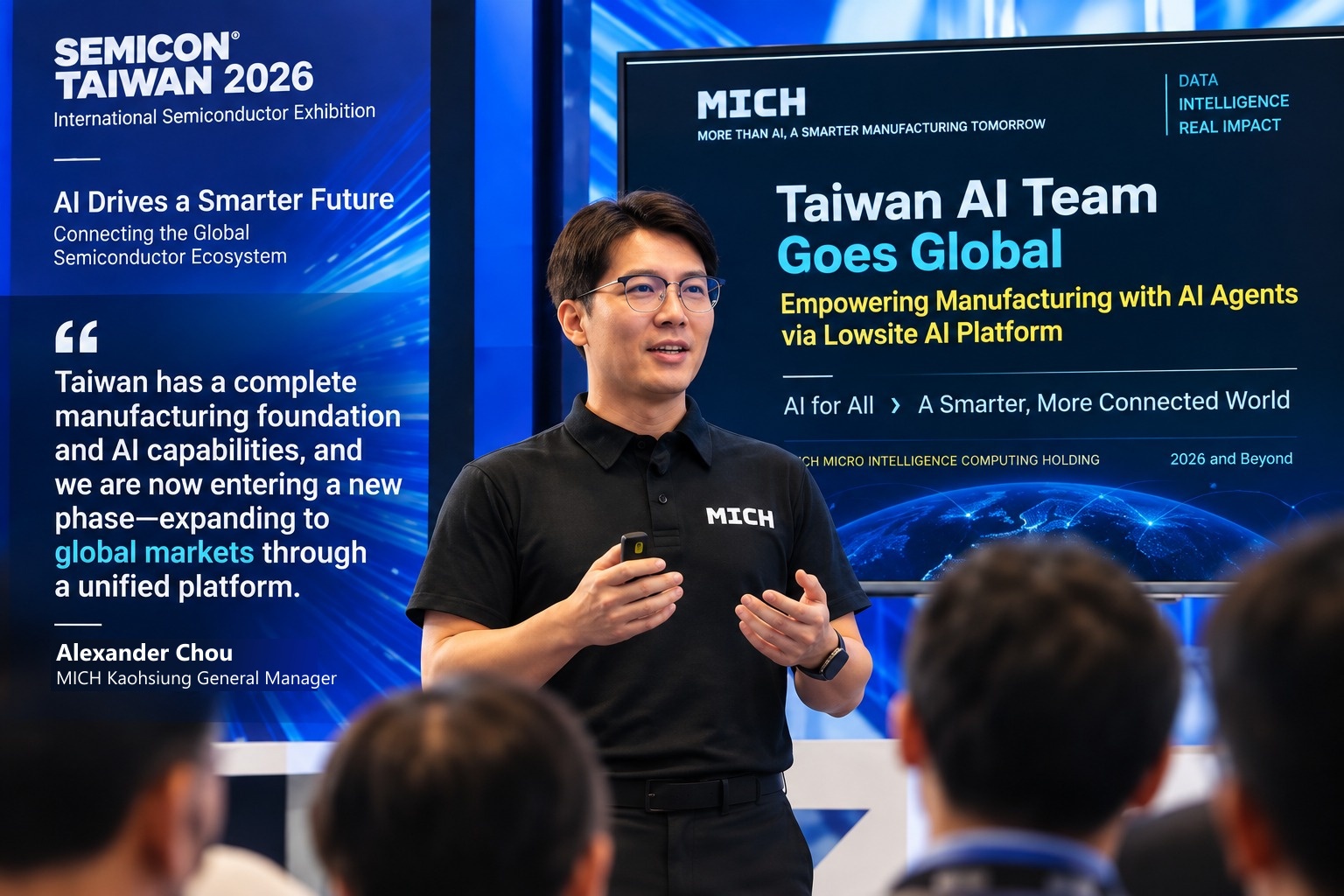
Different AI models and AI agents can then operate within an environment controlled by the enterprise.
This means organizations are not simply implementing another standalone AI project. They are building an underlying architecture capable of supporting a growing range of AI applications over time.
The first use case might be an enterprise knowledge agent. Later applications could extend into quality analytics, predictive maintenance, production decision support, or R&D knowledge retrieval.
Applications and models can evolve continuously, while the underlying enterprise data, permissions, and governance mechanisms remain in place.
AI adoption can therefore evolve from isolated use cases into a more complete enterprise architecture:
Enterprise Data → On-Premises Data Governance → AI Models → AI Agents → Industry Applications
From Pharma to Semiconductor Fabs, the Next AI Threshold Is Trust
The pharmaceutical industry offers an important reference point.
Despite long R&D cycles, enormous costs of failure, and strict quality and regulatory requirements, AI is already finding its way into research workflows.
What has changed is not the elimination of existing validation standards. Instead, the industry is establishing clearer boundaries and stronger governance frameworks for how AI can be used.
The same principle applies to semiconductor fabs and their supply chains.
As AI moves from proof-of-concept projects into mission-critical processes, model performance will become only one of the baseline requirements.
Whether data remains under enterprise control, whether access can be governed, whether results can be verified, and whether AI activity can be traced will collectively determine how deeply AI can be integrated into core enterprise operations.
Over the past decade, enterprises focused on transforming the physical world into data.
Over the next decade, the challenge will be enabling AI to understand and use that data under conditions that are trusted, governed, and controlled.
Pharmaceuticals and semiconductor manufacturing—two industries defined by confidentiality, quality, and rigorous governance—may therefore be among the first to define what mature enterprise AI should ultimately look like:
Keep enterprise data under enterprise control. Bring AI to the data. Let models continue to evolve, while ownership and control over data and decisions remain firmly with the enterprise.