Customer background
A global top-3 footwear group with four major manufacturing bases in Vietnam and Indonesia, each plant running 20+ mold lines. Changeovers are frequent, with every new shoe model requiring a switch every one to eight weeks, and experienced die-setters are leaving faster than they can be replaced.
The problem: tacit knowledge disappearing faster than training
The changeover-time gap had nothing to do with equipment. Experienced die-setters took a median of 90 minutes per mold; new operators averaged 4.5 hours with three times the failure rate. The core issue:
- Written SOPs exist for changeover sequences, but can't capture the "feel": which bolt to tighten first, how tight is "right"
- Expert judgment depends heavily on machine-specific details that exist only in the worker's head
- When workers transferred between plants, their knowledge reset almost completely
What we built
Using the LowsiteOS knowledge layer as the core, the project unfolded in three stages: collecting, structuring, and then delivering that tacit knowledge at the line.
Phase 1 — Knowledge capture
Cameras and vibration sensors passively recorded changeover sessions. AI auto-segmented each step. Workers reviewed and confirmed key details for each step on a tablet; the system learned continuously from each confirmation.
Phase 2 — Knowledge base structuring
Captured steps, judgment criteria and common failure modes were organized into a per-machine "changeover knowledge map." Post-changeover success/failure records updated the map automatically.
Phase 3 — Real-time guidance interface
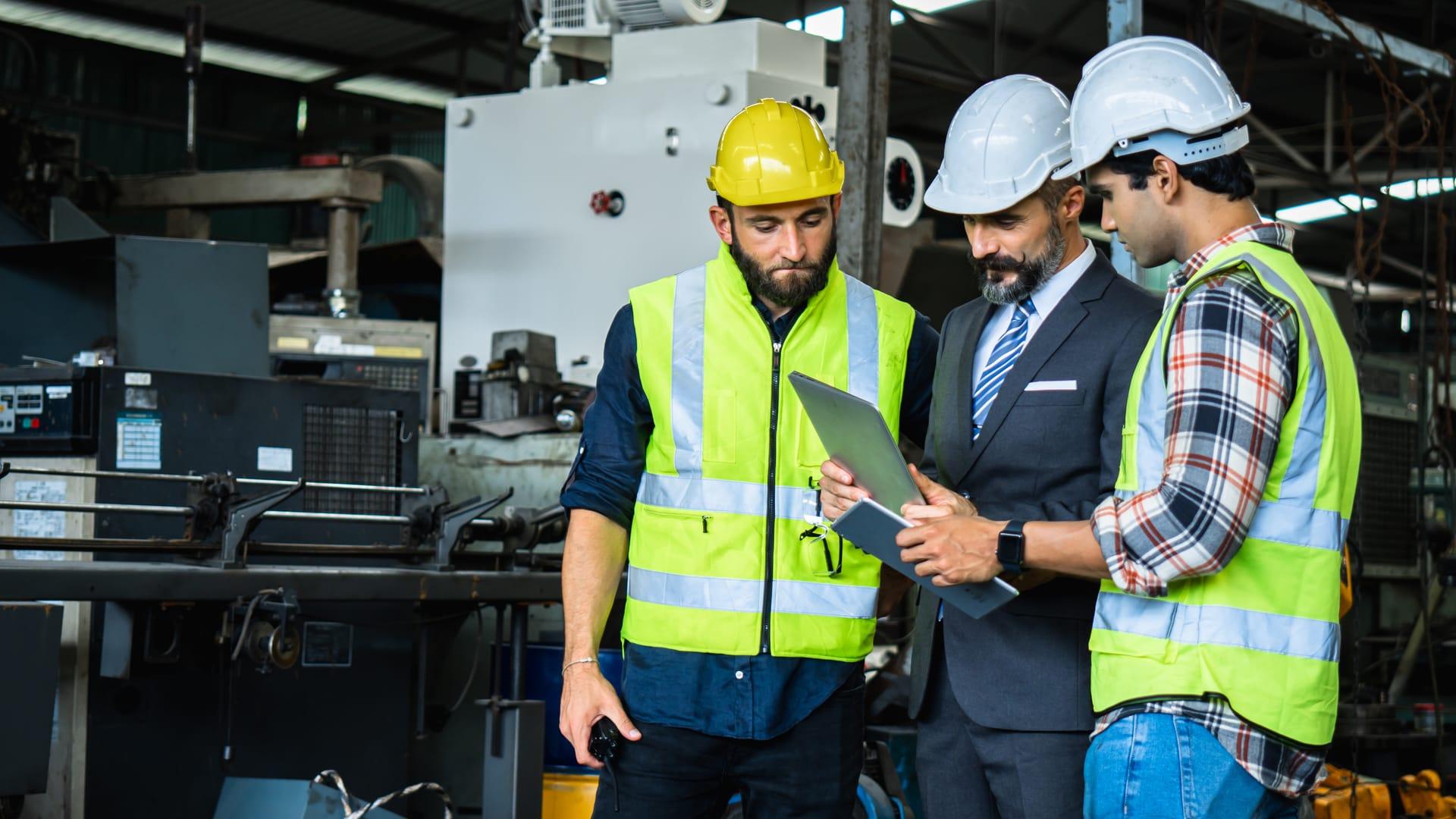
While a new operator performs a changeover, a tablet displays step-by-step prompts, critical watch-points, and "how an experienced operator would judge this step" notes. When the system detects the operator diverging from a critical step, it proactively surfaces an alert.